

Couples Counseling in California, Illinois, & Florida
with the Gottman Method
Every relationship goes through difficult seasons. Communication breaks down, resentment builds, and couples can start to feel more like roommates than partners.
At Reimagine Her Therapy, I provide Gottman Method couples therapy in Bartlett, Illinois, as well as online couples therapy for clients in California, Illinois, and Florida.
Whether you are navigating conflict, recovering from betrayal, or simply want to strengthen your relationship, structured couples counseling can help you move forward with clarity and confidence.
When Couples Counseling Can Help
Couples therapy can be helpful if you are experiencing:
Frequent arguments, communication problems, or the four horsemen
Emotional distance or disconnection
Trust issues, betrayal, or affairs
Recurring unresolved conflicts
Life transitions that are putting stress on the relationship
A desire to strengthen an already good relationship
Many couples seek therapy before problems become overwhelming, simply because they want a stronger and healthier partnership.
What Is the Gottman Method?
The Gottman Method of couples therapy is based on over 40 years of research by psychologists Drs. John and Julie Gottman, who studied thousands of couples to understand what makes relationships succeed or fail.
This evidence-based approach helps couples:
Improve communication and reduce destructive conflict
Strengthen emotional connection and friendship
Rebuild trust after betrayal or infidelity
Navigate recurring disagreements more effectively
Develop tools for long-term relationship stability
Rather than focusing only on problems, Gottman therapy helps couples build a stronger foundation for their relationship.
What to Expect in the First Three Couples Therapy Sessions
Gottman Method couples therapy begins with a structured assessment process that helps identify both the strengths and challenges within your relationship.
This allows therapy to be focused, productive, and tailored to your specific needs as a couple.
Session 1: Couples Relationship Assessment
Your first couples therapy session is a 90-minute joint session where we explore the story of your relationship and the concerns bringing you to therapy.
During this session we discuss:
How your relationship began
The strengths in your partnership
Current conflicts or areas of disconnection
Communication patterns
Major stressors affecting the relationship
Goals for couples counseling
This session helps establish a clear understanding of the relationship dynamic and creates a safe space for both partners to share their perspectives.
Session 2: Individual Sessions
Each partner meets with me individually for one 45 minute session.
Individual sessions allow each person to talk openly about their experiences within the relationship.
We may explore:
Personal relationship history
Stressors outside the relationship
Emotional needs that may not be getting met
Attachment patterns and past relationship experiences
Individual goals for therapy
These conversations help ensure that both partners feel heard and understood.
Session 3: Feedback and Treatment Plan
During the 90 minute third session we come back together to review the results of the assessment process.
You will receive clear feedback about:
The strengths of your relationship
Patterns contributing to conflict or emotional distance
Key areas where change will have the greatest impact
A structured plan for future couples therapy sessions
From there we begin working on practical tools to help improve communication, connection, and trust.
Frequently Asked Questions
-
Couples sessions typically last 90 minutes. This allows enough time for both partners to fully participate in the conversation and for us to work through issues in a meaningful way.
-
No. My role is not to decide who is right or wrong.
Instead, I help both partners understand each other’s experiences, identify patterns that are creating distress, and develop new ways of interacting that strengthen the relationship.
-
It’s very common for one partner to feel unsure at first. Many people worry that therapy will turn into blame or criticism.
Couples therapy is designed to help both partners feel heard and respected, and the goal is always to improve the relationship—not to judge either person.
-
Couples counseling may not be appropriate in certain situations.
For example:
Ongoing domestic violence or physical safety concerns
Active substance abuse that is not being addressed
One partner is currently involved in an ongoing affair and unwilling to end it
One partner has already decided to leave the relationship and is unwilling to work on it
Severe untreated mental health conditions that require individual stabilization first
In these situations, individual therapy or specialized treatment may be more appropriate before beginning couples work.
If you’re unsure whether couples therapy is right for your situation, we can discuss that during a consultation.
-
Many couples come to therapy after feeling disappointed by past counseling experiences. In some cases, previous therapy focused mostly on discussing problems without providing a clear structure or practical tools for change.
My work with couples uses the Gottman Method, a research-based approach that teaches specific skills for improving communication, managing conflict, and rebuilding trust.
In addition, I have specialized training in trauma and PTSD, which can be especially important when relationships have been affected by experiences such as:
Affairs or betrayal trauma
Long-standing emotional wounds
Chronic conflict that triggers fear or shutdown responses
Childhood experiences that influence how partners react during disagreements
When trauma is part of the relationship dynamic, partners may experience intense emotional or nervous system reactions that make communication much harder. My approach helps couples understand these responses and develop tools to regulate them so conversations can become safer and more productive.
Many couples find that addressing both relationship skills and underlying trauma responses creates progress that wasn’t possible in previous counseling.
-
Yes. In addition to weekly couples therapy, I offer weekend couples intensives for partners who want to make meaningful progress more quickly.
These are focused therapy sessions lasting 1–3 days, designed to help couples work through important issues without waiting weeks between sessions.
Intensives can be especially helpful if you:
Feel stuck in the same conflict patterns
Want to rebuild trust after an affair or betrayal
Are in a period of high relationship stress
Have busy schedules that make weekly therapy difficult
Prefer to address issues in a more concentrated, immersive way
During an intensive, we spend extended time together working through communication patterns, emotional triggers, and practical relationship skills. This format allows us to move beyond surface-level discussions and address the deeper dynamics that often keep couples feeling stuck.
Many couples appreciate the opportunity to step away from daily routines and focus fully on their relationship in a structured, supportive environment.
-
Couples therapy can be done either in person or online.
Many couples appreciate the convenience of online sessions, especially when balancing work schedules, childcare, or living in different locations. I offer secure telehealth sessions through HIPAA-compliant video software, allowing you to participate from the comfort and privacy of your own home.
Online couples therapy is available to clients located in Illinois, California, and Florida, where I am licensed to practice.
Both online and in-person sessions follow the same structured approach and are equally effective for many couples. If you’re unsure which format would work best for you, we can discuss options during a consultation.
-
The first step is to schedule a free consultation. During this call we can briefly discuss your concerns, answer questions, and determine whether couples counseling is a good fit.
Build Connection and Strength in Your Relationship Today
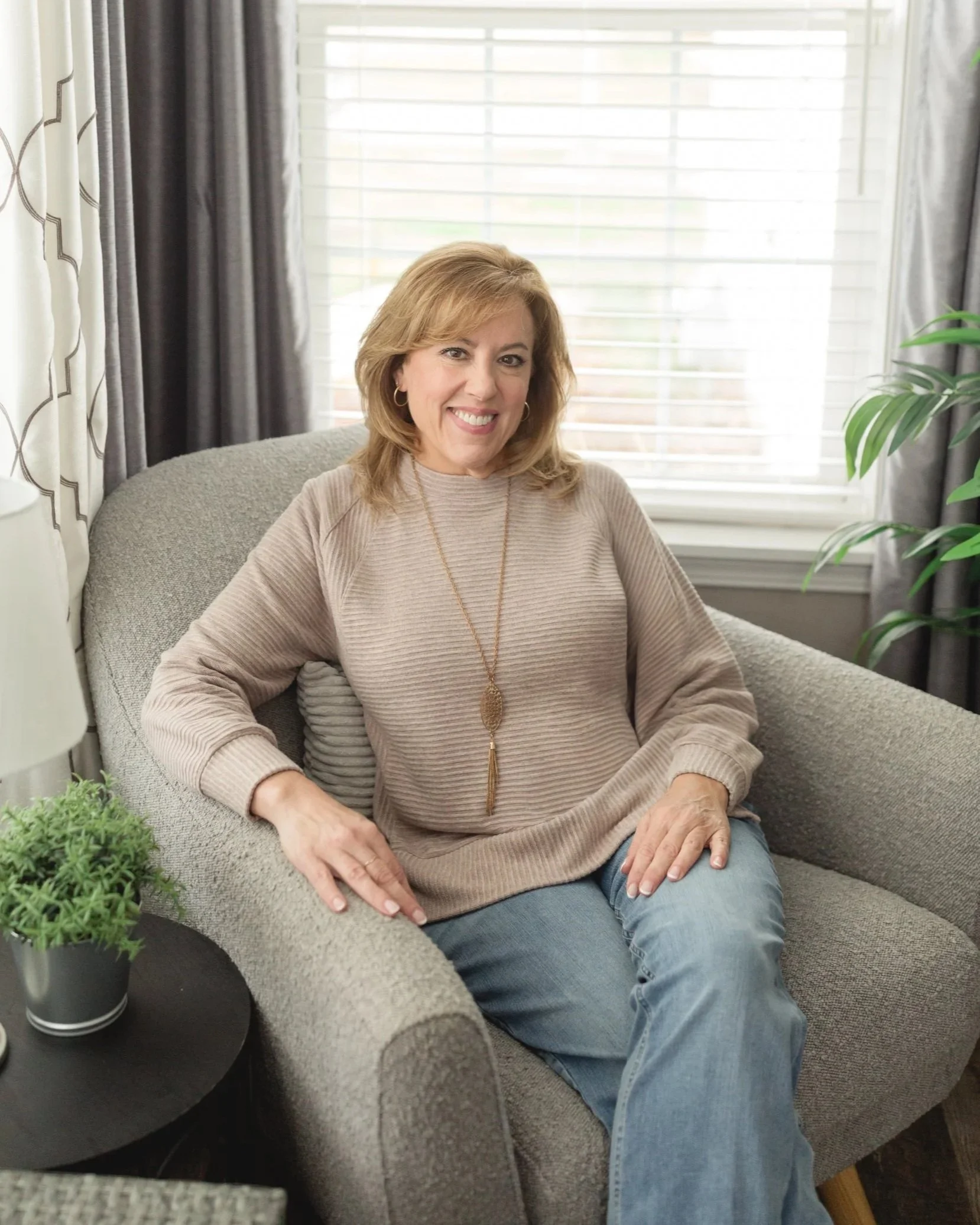
Why not book a consultation today? Think of it as taking a meaningful step toward supporting both yourself and your relationship. Together, we can explore patterns that create conflict, distance, or stress before they grow into bigger issues.
Working with me can help you strengthen emotional connection, improve communication, and deepen understanding with your partner—so you can navigate life’s ups and downs as a team, rather than reacting to them alone.
